Quick answer: Cold temperatures slow the chemical reactions inside lithium-ion batteries, which reduces available capacity and can cause a device to shut off or read low even when it isn’t fully drained. Keeping your device warm — an inside pocket rather than a coat pocket — largely prevents this.
If your device seems to die faster or hit weaker the moment temperatures drop, it’s not your imagination and it’s not a broken battery. Winter vaping genuinely changes how your device performs, and understanding why makes it easy to prevent rather than something you just have to live with every winter.
Why Cold Weather Affects Vape Batteries
Lithium-ion batteries — the cells used in nearly every vape mod — rely on chemical reactions to store and release energy, and those reactions slow down as temperature drops. This doesn’t damage the battery permanently in normal cold-weather conditions, but it does temporarily reduce how much usable capacity is available, which is why a battery that read half-charged indoors might suddenly show as critically low the moment you step outside.
Signs Your Device Is Struggling with Cold
A mod that shuts off unexpectedly in cold weather, displays a lower voltage reading than expected, or produces noticeably weaker vapor outdoors compared to indoors is showing classic cold-weather battery behavior rather than a hardware fault. This is especially common with devices carried in an outer coat pocket during a Tennessee or Virginia winter, where temperature swings between indoor and outdoor can be dramatic over the course of a day.
How to Keep Your Device Warm
Carry It Close to Your Body
An inside jacket pocket or a pocket close to body heat keeps a device meaningfully warmer than an outer coat pocket exposed to ambient cold. This alone resolves most cold-weather performance complaints without any other changes.
Avoid Leaving Devices in a Cold Car
A vape left in a car overnight during winter can drop to near-outdoor temperature, and firing a battery that cold — before it’s had time to warm back up — puts more stress on the cell than normal use. Bringing your device inside overnight rather than leaving it in a vehicle protects both battery performance and lifespan.
Let a Cold Device Warm Up Before Heavy Use
If your device has been sitting in genuinely cold conditions, giving it a few minutes to reach room temperature before vaping heavily reduces strain on the battery and tends to restore normal vapor production faster than firing it immediately.
How Cold Affects Coil and Wick Performance
Beyond the battery itself, cold temperatures thicken e-liquid slightly, which can slow how quickly it wicks into a coil. In practical terms, this sometimes shows up as a marginally cooler or less flavorful hit during the first few puffs after your device has been sitting in the cold, even with a fully saturated wick.
This effect is temporary and resolves once the device and the e-liquid inside it warm back up to something closer to room temperature. It’s rarely significant enough to require any special coil or wicking adjustment — it’s more of a “give it a minute” situation than an actual maintenance issue.
Does Cold Weather Affect E-Liquid Too?
Yes, though less dramatically than it affects batteries. Cold e-liquid is thicker and can wick more slowly into a coil, which occasionally shows up as a slightly weaker or cooler hit in very cold conditions. Storing your e-liquid at room temperature rather than in a car or unheated space avoids this entirely.
Packing a Vape for Winter Travel
If you’re traveling during colder months, packing your device and spare batteries in carry-on luggage rather than a checked bag serves double duty — it satisfies airline lithium battery rules and keeps your gear away from the extreme cold that can occur in an unpressurized, unheated cargo hold. A battery that gets extremely cold during transit may need extra time to warm up and stabilize before it performs normally again, so giving everything a chance to reach room temperature after a winter flight or long cold drive is a reasonable habit before your first vape of the day.
Choosing a Cold-Weather-Friendly Setup
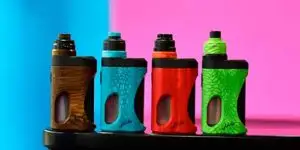
If you’re regularly vaping outdoors through a TriCities winter, a mouth-to-lung pod system tends to handle temperature swings more gracefully than a high-wattage subohm setup, partly because it draws less current overall and is less sensitive to the reduced capacity cold weather temporarily causes. If you do prefer a box mod setup, carrying a spare charged battery in an inside pocket as backup means a cold-weakened cell doesn’t leave you without a working device.
Keeping spare batteries on hand year-round is good practice generally, but it matters more in winter specifically, since a battery that seems fine indoors can underperform the moment you’re outside for an extended period.
When to Actually Worry About Battery Health
Occasional cold-weather sluggishness that resolves once a device warms back up is completely normal and not a sign of battery damage. What isn’t normal is a battery that stays weak even after warming up fully, develops a wrap tear or dent from being dropped in cold conditions, or shows visible swelling — any of those warrant retiring the battery rather than continuing to use it. A quick look through vape accessories will turn up padded battery cases that add a bit of insulation if you’re regularly exposed to genuinely harsh winter temperatures.
Winter doesn’t have to mean a worse vaping experience — it just means accounting for how cold temporarily affects battery chemistry the same way it affects phone batteries or car batteries. Keep your device warm, avoid leaving it in a cold car, and keep a spare battery charged if you’re relying on your device outdoors for extended periods through the colder months.
Most of these adjustments become automatic after the first cold snap of the season, and they apply to essentially any lithium-ion-powered device, not just vapes. Treating your mod with the same basic winter care you’d give a phone left in a cold car is really the entire strategy.
By the time deep winter arrives in the TriCities, most regular vapers have already settled into these habits without thinking about them — an inside pocket, a spare battery, and a little patience on the coldest mornings. None of it changes how you vape day to day; it just protects the device you’re already using.
FAQs
- Why does my vape battery die faster in cold weather?
Cold temperatures slow the chemical reactions inside lithium-ion batteries, temporarily reducing available capacity. This isn’t permanent damage in normal winter conditions — capacity typically returns once the battery warms back up.
- Is it bad to leave my vape in a cold car overnight?
It’s not ideal. Extreme cold can stress a battery more than normal use, and firing a battery that’s very cold before it’s had time to warm up adds unnecessary strain. Bringing your device inside overnight is the safer habit.
- Does cold weather affect e-liquid as well as batteries?
Yes, though less noticeably. Cold e-liquid is thicker and can wick more slowly, occasionally producing a slightly weaker or cooler hit until it warms back up to room temperature.
- What’s the best way to carry my vape in winter?
An inside jacket pocket close to body heat keeps your device significantly warmer than an outer coat pocket, which largely prevents cold-weather performance issues.
- Should I switch to a different device for winter vaping?
Not necessarily, though a mouth-to-lung pod system tends to handle temperature swings a bit more gracefully than a high-wattage subohm setup. Carrying a spare charged battery is a simpler fix if you prefer to stick with your regular device.
- How do I know if my battery has actual cold-weather damage versus normal sluggishness?
Normal cold-weather sluggishness resolves once the battery warms back up to room temperature. A battery that stays weak after warming, or shows a torn wrap, dent, or swelling, should be retired rather than continued to be used.