Quick answer: Most vape leaking comes from a loose coil or wattage set too low; burnt taste almost always means an under-saturated wick; weak vapor points to a battery, airflow, or coil resistance mismatch; and a no-fire error is usually a connection or safety-lock issue, not a dead device.
Nearly every frustrating vape problem traces back to one of a small handful of root causes, even though the symptoms can look completely different from device to device. This guide walks through how to fix common vape problems by working backward from the symptom to the actual cause, rather than guessing at random fixes.
Problem: My Tank Is Leaking
Check the Coil Seating First
A coil that isn’t screwed in fully, or that’s cross-threaded, is the single most common cause of tank leaks. Remove the coil, check the o-rings for damage, and reseat it fully before assuming anything else is wrong.
Check Your Wattage
Running a tank at wattage too low for its coil can cause e-liquid to pool rather than vaporize efficiently, which shows up as leaking around the airflow or base. Match your wattage to the coil’s printed recommended range as a first troubleshooting step.
Check for Cracked Glass or Damaged Seals
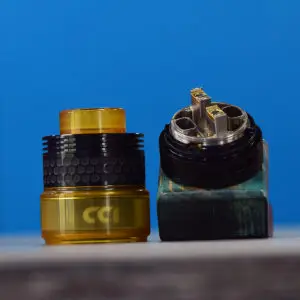
A hairline crack in tank glass or a worn seal is easy to miss visually but causes consistent leaking regardless of coil or wattage adjustments. A quick look through spare tanks and replacement glass sections is worth it if your current tank is older or has been dropped.
Problem: My Vape Tastes Burnt
A burnt taste is almost always a wicking problem, not a flavor or e-liquid problem. The cotton isn’t absorbing e-liquid fast enough to keep up with the heat being applied, which scorches the wick directly.
Common Causes
Chain vaping without pauses, running wattage too high for the coil, or vaping a tank that’s nearly empty are the three most frequent triggers. Letting a freshly filled tank sit for five to ten minutes before vaping gives the wick time to fully saturate and prevents a burnt first few puffs.
When to Replace the Coil
If a coil tastes burnt even after adjusting wattage and giving it time to saturate, it’s simply worn out and needs replacing — this is normal and expected, not a sign anything is broken. Keeping a small stock of prebuilt coils on hand means you’re never stuck with a bad-tasting tank at the worst possible moment.
Problem: I’m Getting Weak Vapor or Flavor
Check Your Battery Level
A battery running low often produces noticeably weaker vapor and duller flavor well before the device shuts off completely. If vapor production has been declining gradually, charging fully before troubleshooting anything else is worth trying first.
Check Your Airflow Setting
A mostly closed airflow ring restricts vapor production and can make even a healthy coil feel weak. Opening the airflow up is a simple first test before assuming the coil or e-liquid is the problem.
Check Coil Resistance Against Your Device
Running a higher-resistance coil at low wattage on a device built for subohm vaping can feel underwhelming simply because the setup isn’t matched to produce big vapor. Confirming your coil resistance matches what your device and wattage settings are actually built for solves this more often than people expect.
Problem: My Device Won’t Fire
Check the Connection Point First
A dirty or misaligned 510 connection between your tank and battery is the most common cause of a device that won’t fire despite having a charged battery. Wiping down the connection with a dry cloth or cotton swab resolves this more often than any other single fix.
Check for a Locked Firing Button
Most devices have a lock feature, usually triggered by clicking the firing button multiple times in quick succession, to prevent accidental firing in a pocket or bag. If your device seems completely dead, checking whether it’s simply locked is worth doing before assuming a hardware failure.
Check for a Coil or Atomizer Error
Many regulated devices display a specific error — “no atomizer,” “atomizer low,” or similar — when they detect an issue with the installed coil rather than the mod itself. Reseating or replacing the coil resolves this in the majority of cases.
Preventing Problems Before They Start
Build a Simple Maintenance Routine
Most of the problems covered above become far less frequent with a few small habits: letting a tank sit after refilling, checking wattage against a coil’s printed range, and wiping down connection points every so often. None of this takes more than a minute or two, but skipping it consistently is exactly how small issues turn into recurring frustrations.
Don’t Ignore Early Warning Signs
A slightly muted flavor or a faint gurgle is usually an early sign of a coil or wicking issue well before it becomes a full leak or burnt taste. Addressing these small signals early — refilling sooner, adjusting wattage, checking the coil — usually prevents the bigger, more annoying version of the same problem.
When to Bring Your Device to a Shop Instead of DIY Fixing
Most of the issues covered above are fixable at home in a few minutes with basic spare parts. It’s worth bringing a device in for a professional look, though, if you’ve tried the standard fixes and the problem persists, if a mod shows signs of physical damage beyond a worn battery wrap, or if you’re dealing with an unfamiliar error code that isn’t covered in your device’s manual. There’s no harm in asking a shop to take a quick look before assuming a device needs replacing entirely — a surprising number of “broken” mods turn out to have a simple, fixable cause that just wasn’t obvious from the symptom alone.
Building a Basic Troubleshooting Kit
Keeping a few spare parts on hand turns most of these problems into a two-minute fix instead of a frustrating dead end. A stocked kit typically includes spare coils, o-rings, a couple of charged batteries, and basic wicking supplies like cotton, which cover the large majority of issues outlined above. Rounding that out with a few general vape accessories — spare glass, drip tips, a small screwdriver set — means you’re rarely stuck waiting on a shop trip to fix something simple.
Most vape problems aren’t actually device failures — they’re small, predictable maintenance issues that show up the same way across almost every brand and style of device. Working through the causes above in order, rather than jumping straight to “my device is broken,” solves the overwhelming majority of everyday vaping frustrations.
Keep this troubleshooting order in mind the next time something feels off: check the obvious mechanical causes first — seating, wattage, connection points — before assuming a coil, battery, or the device itself needs replacing. More often than not, the fix is smaller and cheaper than it first seems.
FAQs
- Why does my vape tank leak from the bottom?
This is usually caused by a coil that isn’t fully seated or a damaged o-ring at the base. Reseating the coil and inspecting the seals is the first thing to check.
- Why does my vape taste burnt after refilling?
Vaping too soon after refilling doesn’t give the wick time to fully saturate. Letting a freshly filled tank sit for five to ten minutes before vaping usually fixes this.
- How often should I expect to replace a vape coil?
Most coils last anywhere from a few days to two weeks depending on wattage and how often you vape. A consistently burnt taste despite proper wicking and wattage is the clearest sign it’s time for a fresh one.
- Why is my vape producing less vapor than it used to?
This is most often a battery, airflow, or coil resistance issue. Check battery charge first, then airflow setting, then confirm your coil resistance matches what your device is built to run.
- My vape won’t fire at all — is it broken?
Not necessarily. Check the connection point for residue, confirm the device isn’t locked, and check for a coil-related error message before assuming a hardware failure.
- What spare parts should I keep on hand to avoid common vape problems?
A few spare coils, o-rings, a charged spare battery, and basic wicking cotton cover most everyday issues. Keeping these on hand turns most problems into a quick fix rather than a shop trip.