Quick answer: Store batteries in a case away from metal objects, use a dedicated external charger, and replace any battery with a torn wrap, dent, or corrosion immediately. Never carry loose batteries in a pocket with keys or coins, and never mix battery brands or ages in a dual-battery device.
Vape battery safety isn’t the most exciting part of vaping, but it’s the part that actually matters most if something goes wrong. Lithium-ion batteries — the 18650 cells used in most mods — are safe when handled correctly and genuinely dangerous when they’re not. None of the precautions below are complicated, but skipping them is where almost every battery incident actually starts.
Why 18650 Batteries Need Special Handling
An 18650 cell stores a significant amount of energy in a small cylinder, and like any lithium-ion battery, it can vent, overheat, or in rare cases fail violently if it’s damaged, over-discharged, or short-circuited. This isn’t unique to vaping — the same batteries are used in laptops, power tools, and flashlights — but vaping puts them in more direct daily handling than most other uses, which is exactly why good habits matter.
The Dos of Vape Battery Safety

Do Store Batteries in a Case
Loose batteries thrown in a bag or pocket can touch keys, coins, or other metal objects, which risks a short circuit across the terminals. A simple plastic or silicone battery case keeps the terminals isolated and is one of the cheapest safety upgrades available.
Do Use a Dedicated External Charger
Charging 18650 cells on a proper external charger, rather than in the mod itself, gives you visibility into voltage and charge status, plus built-in safety cutoffs most mod charging ports don’t have. Browsing a set of replacement batteries alongside a charger is a smart pairing if you’re building out a mech or box mod setup for the first time.
Do Check Wraps Before Every Use
The plastic wrap on a battery isn’t cosmetic — it’s insulation. A torn, peeling, or damaged wrap can expose the metal casing and create a short risk, especially in unregulated devices. Get in the habit of a quick visual check before dropping a battery into any mod, particularly a mechanical squonk mod where there’s no chip to catch a problem for you.
Do Match Batteries in Multi-Battery Devices
If your device uses two or more batteries, they should always be the same brand, capacity, and age, ideally purchased and used together as a set. Mismatched batteries discharge at different rates, which creates an imbalance that stresses the weaker cell.
The Don’ts of Vape Battery Safety
Don’t Carry Batteries Loose with Metal Objects
This is the single most common cause of avoidable battery incidents. Keys, coins, and other loose metal in the same pocket or bag as an uncased battery can bridge the terminals and cause a short almost instantly.
Don’t Use a Battery with Any Visible Damage
A dented, corroded, or torn-wrap battery should be retired immediately, not “used a little longer.” Charging or firing a compromised cell is where a minor defect turns into a real hazard.
Don’t Fully Drain a Battery Before Recharging
Letting a lithium-ion battery run all the way to empty repeatedly shortens its usable life and can, in rare cases, put it into a state that’s unsafe to recharge normally. Most mods will cut off before a full drain, but it’s still worth charging before you hit that point out of habit.
Don’t Disable Safety Features
Fire-lock buttons, vent holes, and charger cutoffs exist because engineers designed them in response to real failure modes. Bypassing or removing any of them removes a layer of protection with no real upside.
How to Store Batteries When Not in Use
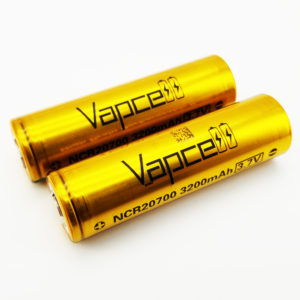
Keep Them at Partial Charge for Long-Term Storage
If you have spare batteries you won’t use for weeks, storing them at roughly a 40-50% charge rather than fully charged or fully drained helps preserve their long-term capacity. Fully charged batteries sitting unused for long stretches degrade slightly faster than ones stored at a partial charge.
Keep Storage Areas Cool and Dry
Heat is one of the biggest accelerants of battery degradation, so storing spares away from direct sunlight, car interiors, or anywhere that gets hot during the day meaningfully extends their usable life. A drawer or cabinet at normal room temperature is ideal.
Separate Batteries of Different Ages
If you’re rotating in new batteries alongside older ones, keeping them labeled or physically separated prevents accidentally pairing a fresh battery with a significantly older one in a dual-battery device. This ties back to the matching principle covered above — mismatched wear, not just mismatched brands, causes the same imbalance issue.
Traveling with Vape Batteries
Airlines require spare lithium-ion batteries to be carried in your carry-on bag rather than checked luggage, since a damaged battery venting in a pressurized cargo hold is a recognized fire risk that can’t be monitored in flight. Spare batteries should also be carried in a case rather than loose in a carry-on, for the same short-circuit reasons that apply to everyday carrying. Devices with non-removable batteries are generally fine to bring in carry-on luggage, but checking your specific airline’s current policy before a trip is always worth the extra two minutes.
Battery Safety in Regulated vs. Unregulated Devices
A regulated box mod has a chip that monitors voltage, cuts off at set limits, and protects against short circuits automatically, which is part of why they’re generally considered the safer entry point for newer vapers. A mechanical mod has none of that — you are the safety mechanism, which means understanding your battery’s continuous discharge rating and your coil’s resistance before you ever fire it becomes non-negotiable rather than optional. If you’re newer to unregulated setups, spending time with more forgiving rebuildable atomizers before moving to a full mechanical build gives you room to learn coil-building fundamentals without the added risk of also learning battery math under pressure.
Vapor 42 recommends buying batteries only from a reputable retailer that stocks genuine, properly rated cells rather than off-brand batteries with inflated capacity claims — a mismatch between a battery’s actual and advertised rating is a real, documented cause of failures in the vaping community. A quick look through general vape accessories will also turn up battery cases and basic testing tools worth keeping on hand if you run any device with removable cells.
None of this is meant to scare anyone away from mods that use 18650 batteries — millions of vapers use them safely every day. The precautions above take almost no extra time once they’re habits, and they’re the difference between a battery lasting its full useful life and a genuinely preventable incident.
If you’re ever unsure whether a battery is still safe to use, the safer default is always to retire it rather than keep using it a little longer. Replacement batteries are inexpensive compared to the cost of a damaged device or worse, and there’s no real upside to pushing a questionable cell past the point you first noticed a problem.
FAQs
- Can I charge 18650 batteries directly in my mod?
Some mods support USB charging, but a dedicated external charger generally offers better safety monitoring and more even charging across multiple cells. It’s the safer default, especially for anyone running a mechanical device.
- How do I know if my vape battery is damaged?
Look for a torn or peeling wrap, dents, corrosion, or a battery that feels unusually hot during use or charging. Any of these signs means the battery should be retired, not used again.
- Is it safe to carry spare vape batteries in my pocket?
Only in a proper battery case. Loose batteries touching keys, coins, or other metal objects risk shorting across the terminals, which can happen in seconds without a case.
- Do I need to match batteries in a dual-battery mod?
Yes. Using two different batteries — different brands, capacities, or ages — in the same device creates an imbalance that puts extra stress on the weaker cell and can shorten both batteries’ lifespan.
- What happens if I overdischarge a vape battery?
Repeatedly draining a lithium-ion battery fully can degrade its capacity over time and, in some cases, make it unsafe to recharge normally. Most devices cut off before a full drain, but avoiding the habit is still good practice.
- Are mechanical mods more dangerous than regulated box mods?
Mechanical mods carry more risk because there’s no chip monitoring voltage or cutting off a bad build. They’re safe when the user understands battery math and coil resistance, but they demand more knowledge upfront than a regulated device does.