If you’ve spent any time around rebuildable atomizers, you’ve probably heard someone rave about their squonk setup. A mechanical squonk mod is about as close to the roots of vaping as it gets — no chipset, no screen, just a battery, a bottle, and a squeeze. It sounds intimidating the first time you hear it explained, but once you understand the handful of parts involved, it’s actually one of the simplest builds you can run.
What Makes a Squonk Mod “Mechanical”?
A regulated mod uses a circuit board to control wattage, cut off at a set voltage, and protect against short circuits. A mechanical mod skips all of that. It’s a battery, a firing button, and a direct wire path to your atomizer — nothing telling the current what to do. That’s what draws a certain kind of vaper to them: the fire feels instant, the flavor feels cleaner, and there’s a hands-on satisfaction to running a build you calculated yourself.
Squonking adds a bottle inside the mod that you squeeze to push e-liquid straight up into your atomizer’s deck, so you’re not unscrewing a tank or dripping every few puffs. If you want to see how the mods themselves are built and finished, it’s worth browsing through a dedicated squonk mod selection to get a feel for the range of styles out there, from brass and copper builds to more compact aluminum options.
Picking the Right RDA or RTA for Squonking
Not every rebuildable is designed to squonk well. You want an atomizer with a bottom-feed pin and a deck that channels juice evenly across your coil, otherwise you’ll get dry hits even after a big squeeze. This is where atomizers like the Entheon RDA and the Krma RDA have built a following — both have wide, easy-to-saturate decks that were basically made with squonking in mind. The Hadaly RDA is another classic in this space, known for its side-airflow design and juice flow that stays consistent even at lower liquid levels.
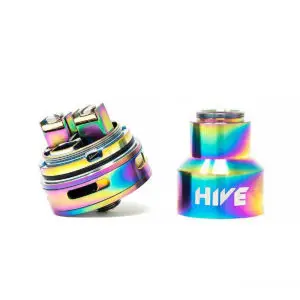
If you’d rather run a tank instead of a dripper, a squonk-compatible RTA changes the game a bit. A 40mm RTA gives you enough deck space for a comfortable build while still handling bottom-feed juice flow, and something like the Hive RTA is popular because it squonks almost as cleanly as a dedicated dripper while holding more airflow adjustment. Either route works — it really comes down to whether you want the top-airflow simplicity of an RDA or the extra juice capacity an RTA gives you between refills.
Squonk Bottles and Getting Your Bottom-Feed Setup Dialed In
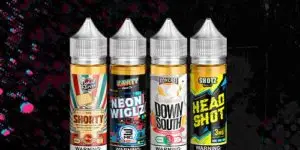
The bottle is the part people underestimate. A soft, flexible squonk refill bottle with a needle-tip nozzle makes filling your deck fast and mess-free, while a stiff or oddly-shaped bottle turns every refill into a small chore. Bottle size matters too — a smaller bottle fits neater inside compact mods but means more frequent refills, while a larger one trades a bit of pocket-friendliness for fewer trips back to your juice stash.
This is also where Vapor 42 tends to steer newer squonkers: start with a bottle that matches the exact cavity size of your mod rather than grabbing whatever’s cheapest, since a bottle that’s slightly too big won’t seat properly and can leak inside the mod. If you’re shopping around, a look through the current squonk bottle options will show you the range of sizes and nozzle styles available, and it’s worth grabbing a spare or two since bottles do wear out with regular squeezing.
Battery Safety and Ohm’s Law for Mech Squonkers
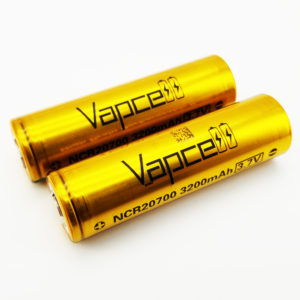
Because there’s no chip protecting you, running a mechanical squonk mod means you’re responsible for your own safety math. That means knowing your coil’s resistance, your battery’s continuous discharge rating, and making sure the two are compatible before you ever fire the mod. A basic Ohm’s law calculation — dividing your battery’s voltage by your coil’s resistance to find the amp draw — takes thirty seconds and can save you a damaged battery or worse.
It’s also worth double-checking your battery wraps for tears before every build change, since a compromised wrap on an unregulated mod is one of the more common (and easily avoidable) safety mistakes people make. If you’re newer to rebuilding in general, spending time with rebuildable atomizers that have a bit more forgiveness — wider build decks, more airflow — is a smart way to get comfortable with wicking and coil placement before committing to a full mech squonk setup. Pair that with a reliable set of tools for trimming leads and pulse-testing your coil, and the whole process starts to feel a lot less like guesswork.
Common Squonking Mistakes to Avoid
A lot of the frustration people run into with a mechanical squonk mod comes down to a handful of repeatable mistakes rather than the setup itself being difficult. Overtightening the bottle cap is one of the most common — squeeze too hard while capping it and you can warp the seal, which leads to slow leaks that show up days later as a sticky mod interior. Give it a snug, even seal and stop there.
Another frequent issue is letting the deck run dry between squeezes. New squonkers sometimes wait for a harsh, burnt taste before refilling, but by then you’ve already scorched the wick. A better habit is squeezing preemptively every few puffs rather than waiting for a warning sign, especially with denser e-liquids that don’t wick as fast through cotton.
Wire choice matters more in a mech setup than people expect, too. Because there’s no chip smoothing out the power delivery, a coil built with the wrong gauge or too many wraps for your battery’s discharge rating can pull harder than intended right from the first fire. Sticking to builds that fall comfortably within your battery’s rated output — rather than pushing right up to the edge of what it can handle — keeps the whole experience predictable instead of harsh or, worse, unsafe. None of these mistakes are hard to avoid once you know to look for them, and most experienced squonkers made every single one of them early on.
Maintenance is worth building into your routine early rather than treating it as an afterthought. The 510 pin and bottom-feed channel on a squonk mod can gather residue from e-liquid over time, especially with thicker, high-VG juices, and a quick cleaning with a cotton swab every couple of weeks keeps the flow smooth. The same goes for the threading between the mod and your atomizer — a light wipe-down prevents the slow buildup that eventually makes unscrewing your RDA harder than it should be.
Squonking isn’t for everyone, and that’s fine — but if you like the tactile, no-frills side of vaping, a mechanical squonk mod might be exactly the change of pace you’re looking for. Start with a proven RDA, a bottle that actually fits your mod, and take the battery math seriously, and you’ll have a setup that’s simple to maintain and satisfying to use every day. As always, mechanical mods and rebuildable atomizers are intended for adult vapers 21 and older who understand the responsibility that comes with running an unregulated device.
FAQs
- Is a mechanical squonk mod safe for beginners?
It can be, but only if you take the time to learn coil-building basics and battery safety first. Because there’s no regulation chip to stop a bad build, beginners should start with simple, low-wattage coils and double-check resistance every time before firing.
- How often do I need to refill a squonk bottle?
It depends on the bottle size and how much you vape, but most people refill every few hours of regular use. A quick squeeze test — feeling for resistance in the bottle — will tell you when it’s getting low before you ever get a dry hit.
- Can I use any RDA with a squonk mod?
Not quite. You need an RDA with a bottom-feed pin built into the deck, since standard RDAs are designed to be dripped into from the top. Squonk-specific atomizers like the ones mentioned above are built with the internal channel needed for bottom-feeding.
- What’s the difference between squonking with an RDA versus an RTA?
An RDA gives you simpler airflow and a more direct flavor hit but needs more frequent squeezes. An RTA holds a tank of juice around the coil, so you squonk less often, though the setup and wicking process is a bit more involved.
- How do I know if my squonk bottle fits my mod?
Check your mod’s manufacturer specs for bottle capacity and cavity dimensions before buying a replacement bottle. A bottle that’s too tall or wide won’t seat flush, which can cause leaking inside the mod’s battery compartment.
- Do I need special tools to build coils for a squonk RDA?
A basic kit with wire cutters, ceramic tweezers, and a coil jig covers most builds. As you get more comfortable, an ohm reader and a set of screwdrivers sized for your specific atomizer make the process faster and more consistent.