Walking into the vape aisle for the first time can feel like too many choices at once. Coils, wattages, tank sizes, nicotine strengths — it adds up fast. The good news is that a solid vape starter kit strips most of that down to something simple: a pod system, a couple of coils, and a battery that charges over USB. If you know what to look for, picking the right one takes ten minutes instead of an hour of second-guessing.
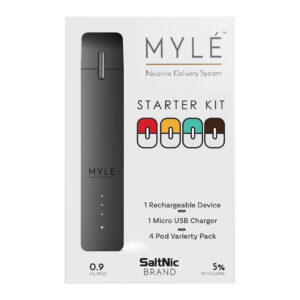
What’s Actually in a Vape Starter Kit
Most starter kits are built around a pod system — a small, refillable pod that clicks into a battery base. You fill the pod with e-liquid, let it sit for a minute to saturate the coil, and you’re set. There’s no coil-building, no wattage curve to learn, and battery life is usually good enough to get through a full day on one charge.
The appeal is really in how little there is to manage. A pod system draws less power than a box mod, produces a tighter, more cigarette-like draw, and holds e-liquid without the leaking issues older cartridge-style devices used to have. If you’re coming from smoking or just don’t want to deal with maintenance, this is almost always the better starting point over a full sub-ohm setup.
MTL Pod Systems vs. Direct-Lung Devices
There are two general draw styles you’ll run into: mouth-to-lung (MTL) and direct-lung. MTL pod systems mimic the pull of a cigarette — a tighter draw you hold in your mouth before inhaling — and they’re the more natural transition for most new vapers. A well-built MTL pod system pairs naturally with higher-strength nicotine salts, since you’re taking smaller, more controlled puffs.
Direct-lung devices, on the other hand, use a looser airflow and lower nicotine concentrations, closer to what sub-ohm tank users run. Popular options like the VooPoo Drag pod system actually bridge both worlds, offering adjustable airflow so you can dial in either draw style depending on your mood. Compact options like Suorin pods lean harder into the MTL side and are built for all-day portability rather than big vapor clouds.
Why Nicotine Salts Pair So Well with Pod Systems
Nicotine salts hit differently than freebase nicotine — smoother on the throat at higher strengths, and they satisfy cravings faster, which is part of why they became the standard for pod systems in the first place. If you’re switching from cigarettes, a higher-strength salt nic pod setup tends to feel more familiar than a low-nicotine sub-ohm tank ever will.
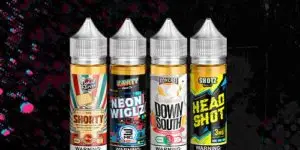
Vapor 42 keeps a rotating selection of nicotine salt e-liquids on hand specifically because pod system users tend to want that quicker satisfaction without a harsh throat hit. If you’re unsure where to start on strength, going lower than you think you need and adjusting up is usually easier than starting too strong and cutting back.
Getting Comfortable Before You Upgrade
A starter kit doesn’t have to be a permanent setup — for a lot of people, it’s a stepping stone toward bigger devices once they know what draw style and flavor profile they actually like. Devices like the SMOK Novo have stuck around for years precisely because they’re an easy, low-commitment way to figure that out before spending more on a box mod or rebuildable setup.
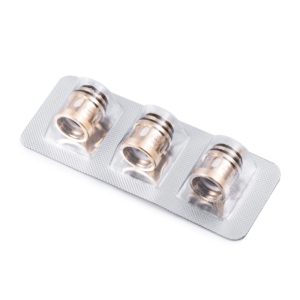
Coils on pod systems do wear out, usually every one to two weeks depending on how often you vape, so it’s worth keeping a stock of replacement coils on hand rather than running an old one past its prime — a worn coil is the number one reason people think a device is “broken” when it just needs a fresh coil. Between the coil swaps and the occasional pod cleaning, a starter kit ends up being one of the lowest-maintenance ways to vape once you get into a rhythm with it.
Getting the Most Out of Your First Few Weeks
The first couple of weeks with a new pod system are really about dialing in small habits more than learning anything technical. Letting a freshly filled pod sit for three to five minutes before your first puff gives the coil time to fully saturate, and skipping that step is one of the most common reasons people get a harsh, dry hit right out of the gate and assume the device is faulty. It almost never is — it just needed a minute to settle.
Airflow adjustment is worth experimenting with too, even on simpler devices. A slightly more open airflow setting cools the vapor down and can make a strong nicotine salt feel smoother, while a tighter draw concentrates flavor but runs a bit warmer. There’s no universally “correct” setting — it’s really about testing both ends and landing somewhere that feels natural for how you actually vape throughout the day.
It also helps to pay attention to how your usage changes once the novelty wears off. A lot of new vapers start out puffing frequently out of curiosity, then settle into a much more moderate, habitual pattern after the first couple of weeks. That’s a good time to reassess your nicotine strength — if cravings have mostly disappeared, it might be worth stepping down slightly, and if you’re still reaching for it constantly, a slightly higher strength or a different pod system altogether might serve you better long term.
Single-Coil vs. Dual-Coil Pod Systems
Not all pod systems use the same coil setup internally, and it’s worth knowing the difference before you buy. Single-coil pods tend to sip battery life more slowly and are usually cheaper to replace, which makes them a solid default for most casual vapers. Dual-coil pods heat up faster and produce slightly denser vapor, which some people prefer even in a compact device, though you’ll likely be replacing coils a bit more often as a tradeoff.
Neither option is objectively better — it comes down to whether you’re prioritizing battery efficiency and lower running costs or a slightly more substantial draw out of a small device. If you’re not sure which you’ll prefer, it’s a reasonable thing to ask about when picking out your first kit, since the difference isn’t always obvious just from looking at the device itself.
Whether you’re picking your very first device or looking for something simpler after burning out on box mod maintenance, a good starter kit removes almost all the guesswork. Start with an MTL pod system, match your nicotine strength to how you actually vape, and keep a spare coil or two around so you’re never stuck mid-week. Pod systems and the e-liquids that go with them are meant for adults 21 and older, so have an ID ready if you’re buying in person for the first time.
FAQs
- What’s the difference between a pod system and a box mod?
A pod system uses small, pre-filled or refillable pods with built-in or easily swapped coils, while a box mod pairs with a separate tank and usually offers adjustable wattage. Pod systems are simpler and more portable, while box mods give more control over vapor and flavor.
- How long does a pod system battery last?
Most starter kits last a full day of moderate use on a single charge, though heavier vapers may need a midday top-up. Battery life depends on the device’s capacity and how often you’re firing it.
- Do I need nicotine salt e-liquid for a pod system?
Not always, but it’s the more common pairing since salts are smoother at higher strengths and satisfy cravings faster in smaller devices. Some pod systems also work fine with regular freebase e-liquid at lower nicotine levels.
- How often should I replace my pod system’s coil?
Most coils last one to two weeks with regular use, though flavor changes or a burnt taste are usually the clearest sign it’s time to swap. Keeping a couple of spares on hand avoids being caught without one.
- Is a starter kit good for someone switching from cigarettes?
Yes — a mouth-to-lung pod system paired with a higher-strength nicotine salt is usually the closest match to a cigarette’s draw and nicotine hit. It’s one of the more common recommendations for people making the switch.
- Can I upgrade from a starter kit later without starting over?
Definitely. Most people who start on a pod system eventually try a box mod or rebuildable setup once they’ve figured out what flavor and draw style they prefer, and the e-liquid you already like will usually carry over.